
- Body art is a broad form of self-expression that includes tattoos, piercings, painting, and other body modifications.
- It has deep historical roots, dating back thousands of years across various cultures and civilizations.
- Body art can be permanent, temporary, or semi-permanent, offering options for different comfort levels.
- Cultural significance plays a major role, with many designs symbolizing identity, beliefs, and life milestones.
- Safety and hygiene are essential, making it important to choose qualified professionals and follow proper aftercare.
- Modern society increasingly accepts body art, though perceptions can still vary by culture and industry.
- Careful planning and personal meaning are key to having a positive and satisfying body art experience.
Body art has existed for thousands of years, serving as a powerful form of human expression across cultures and generations. From ancient rituals to modern aesthetics, it continues to evolve while maintaining deep personal and cultural significance. Today, body art is more than just decoration—it is a reflection of identity, beliefs, and creativity.
In this comprehensive guide, we will explore what body art truly means, its origins, its various forms, and how it has transformed over time. Whether you are curious, considering your first piece, or simply looking to learn, this beginner-friendly article will walk you through everything you need to know.
Understanding the Basics
Body art is a broad term used to describe any form of artistic expression applied directly to the human body. It includes both permanent and temporary modifications, ranging from tattoos and piercings to body painting and scarification. While often associated with aesthetics, body art carries deeper meanings tied to culture, identity, and storytelling.
In modern society, body art has become increasingly mainstream, embraced by people from all walks of life. However, its roots trace back to ancient civilizations where it held spiritual, social, and symbolic importance. Understanding its definition helps provide context for its enduring relevance and global appeal.
What is Body Art? A Clear Definition
Body art refers to the practice of decorating, altering, or enhancing the human body for aesthetic, cultural, or personal reasons. It can be temporary, such as henna or makeup, or permanent, like tattoos and implants.
Common forms of body art include:
- Tattoos (ink embedded into the skin)
- Piercings (jewelry inserted into body parts)
- Body painting (temporary artistic designs)
- Scarification (intentional scarring for design)
- Cosmetic modifications (such as microblading)
Each type reflects a unique purpose, from self-expression to cultural tradition.
Why Do People Choose Body Art?
People engage in body art for a wide range of reasons, and these motivations often overlap. For some, it is about individuality and standing out, while for others, it represents belonging or tradition.
Key motivations include:
- Personal expression and identity
- Cultural or religious significance
- Commemoration of life events
- Aesthetic enhancement
- Emotional healing or empowerment
Understanding these reasons highlights how body art is deeply personal and meaningful.
The History of Body Art: Where Did It All Begin?
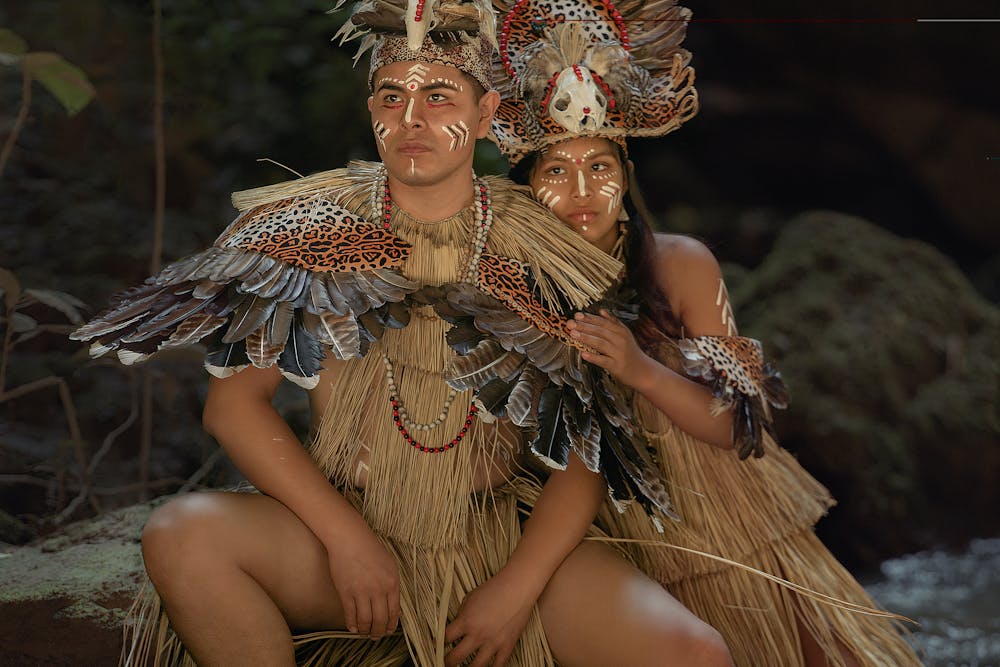
Body art has a long and fascinating history that spans continents and civilizations. Its origins can be traced back thousands of years, where it was used for ritualistic, social, and symbolic purposes. Early forms of body art were often tied to spirituality, status, and rites of passage.
As societies evolved, so did the meaning and techniques of body art. While some traditions have been preserved, others have adapted to modern influences. Exploring its history helps us appreciate how body art has transitioned from a sacred practice to a global trend.
Ancient Civilizations and Early Practices
Body art dates back to prehistoric times, with evidence found in mummified remains and ancient artifacts. Early humans used natural pigments and tools to mark their bodies.
Examples include:
- Ancient Egyptians used tattoos for religious symbolism
- Indigenous tribes practicing scarification for identity
- Polynesian cultures developed intricate tattoo traditions
- Asian societies use body art for protection and status
These practices often carried deep spiritual meanings and were integral to community identity.
Body Art in the Middle Ages and Beyond
During the Middle Ages, body art saw a decline in some regions due to religious restrictions. However, it remained prominent in various indigenous and non-Western cultures.
In later centuries:
- Sailors popularized tattoos as symbols of travel and protection
- Body art began spreading across cultures through exploration
- Western societies slowly began to reintroduce tattooing
This period marked the beginning of body art’s transition into a more global phenomenon.
The Rise of Modern Body Art
In the 20th and 21st centuries, body art experienced a resurgence, becoming widely accepted in mainstream culture. Advances in technology improved safety and artistic precision.
Modern developments include:
- Professional tattoo studios with strict hygiene standards
- Celebrity influence and media exposure
- Diverse styles and techniques
- Increased acceptance in workplaces and society
Today, body art is both a personal choice and a cultural statement.
Types of Body Art: What Are the Most Common Forms?
Body art encompasses a wide variety of techniques and styles, each with its own history, purpose, and level of permanence. Understanding the different types can help beginners decide which form best suits their interests and comfort levels.
Some forms are temporary and easily reversible, while others are permanent and require careful consideration. Each type offers unique opportunities for creativity and self-expression.
Permanent Body Art
Permanent body art involves lasting modifications that typically cannot be reversed without medical procedures.
Examples include:
- Tattoos: Designs created using ink inserted beneath the skin
- Scarification: Patterns formed through controlled scarring
- Implants: Objects placed under the skin for aesthetic effect
These forms require commitment and proper aftercare.
Temporary Body Art
Temporary body art allows individuals to experiment without long-term consequences.
Common options include:
- Henna designs that fade over time
- Body paint used for events or performances
- Temporary tattoos applied with adhesive
These are ideal for beginners exploring body art.
Semi-Permanent Options
Some forms fall between temporary and permanent, lasting for months or years.
Examples include:
- Microblading for eyebrows
- Semi-permanent makeup
- Certain cosmetic procedures
These options provide flexibility while maintaining a longer-lasting effect.
Cultural Significance: Why Does Body Art Matter?
Body art is not just about aesthetics—it holds deep cultural and symbolic meaning in many societies. Across the world, it has been used to communicate identity, beliefs, and social status.
Understanding cultural significance helps prevent misinterpretation and promotes respect for traditions. It also highlights how body art connects individuals to their heritage and community.
Body Art as a Cultural Identity Marker
In many cultures, body art serves as a visual representation of identity and belonging.
Examples include:
- Tribal tattoos indicating lineage or achievements
- Religious symbols representing faith
- Marks of adulthood or rites of passage
These designs often carry meanings passed down through generations.
Symbolism and Meaning Behind Designs
Body art often includes symbols that convey specific messages or values.
Common symbolic meanings:
- Strength and resilience
- Protection and spirituality
- Love and remembrance
- Transformation and growth
Each design tells a unique story, making body art deeply personal.
Is Body Art Safe? What Beginners Should Know
Safety is a critical consideration when exploring body art, especially for beginners. While modern techniques have improved significantly, there are still risks involved if proper precautions are not taken.
Understanding safety practices can help individuals make informed decisions and avoid complications. Choosing reputable professionals and following aftercare guidelines are essential steps.
Potential Risks and Concerns
Body art procedures involve breaking the skin, which can lead to complications if not done correctly.
Possible risks include:
- Infections due to poor hygiene
- Allergic reactions to materials or ink
- Scarring or improper healing
- Transmission of diseases if the equipment is not sterilized
Being aware of these risks helps individuals take preventive measures.
Tips for Safe Body Art Practices
To ensure a safe experience, beginners should follow these guidelines:
- Research and choose licensed professionals
- Verify hygiene and sterilization practices
- Follow aftercare instructions carefully
- Avoid rushing into permanent decisions
- Consult professionals if complications arise
Taking these steps can significantly reduce risks.
Body Art in Modern Society: Trends and Perceptions
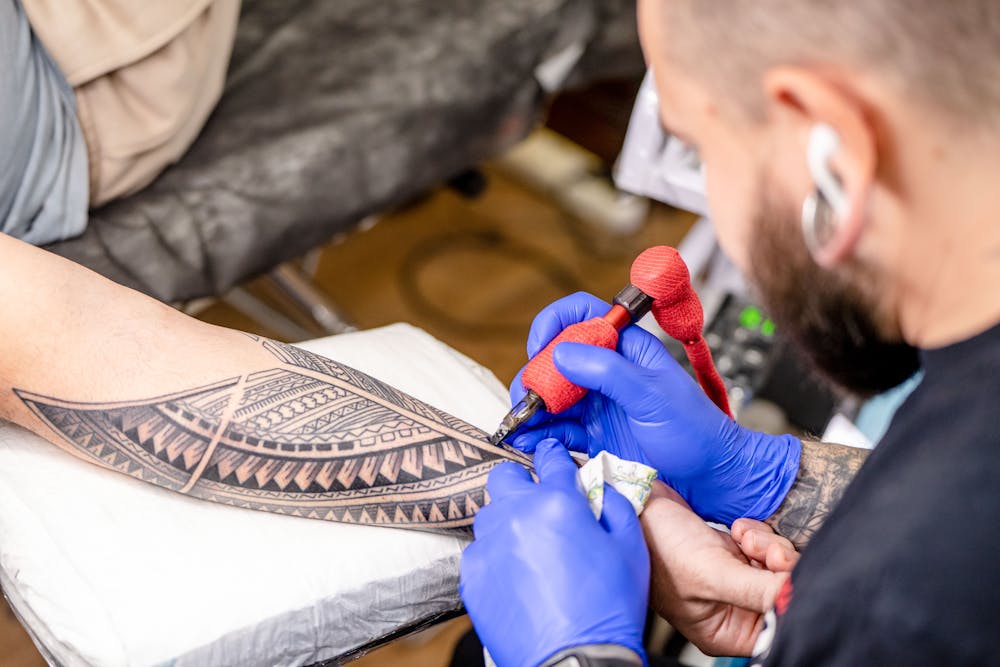
Body art has become increasingly visible and accepted in modern society. Once considered taboo in many cultures, it is now embraced as a form of individuality and creativity.
However, perceptions still vary depending on cultural, professional, and generational factors. Understanding these perspectives can help individuals navigate social expectations.
The Influence of Media and Pop Culture
Media and celebrities have played a major role in popularizing body art.
Key influences include:
- Social media platforms showcasing designs
- Celebrities setting trends
- Reality shows featuring tattoo artists
These influences have helped normalize body art globally.
Changing Attitudes Toward Body Art
Societal attitudes have shifted significantly over time.
Current trends include:
- Greater workplace acceptance
- Increased diversity in styles and artists
- Recognition of body art as a legitimate art form
Despite progress, some stigma still exists in certain industries or cultures.
Choosing Your First Body Art: Where Should You Start?
For beginners, deciding to get body art can feel overwhelming due to the many options available. Taking time to research and reflect is essential before making a commitment.
This process involves understanding your motivations, preferences, and comfort level. A thoughtful approach ensures a more satisfying and meaningful experience.
Questions to Ask Before Getting Body Art
Before making a decision, consider the following:
- What does the design mean to me?
- Am I comfortable with its permanence?
- Have I chosen a reputable artist?
- Do I understand the aftercare process?
- Is this the right time for me?
These questions can help guide your decision-making.
Tips for a Positive First Experience
To make your first body art experience successful:
- Start with a small and simple design
- Choose a visible or meaningful location carefully
- Communicate clearly with your artist
- Prepare for the healing process
- Stay informed and patient
A well-planned approach leads to better results and satisfaction.
Conclusion: The Lasting Impact of Body Art
Body art is more than just a visual enhancement—it is a powerful form of expression that connects history, culture, and personal identity. From ancient traditions to modern trends, it continues to evolve while maintaining its core purpose of storytelling and self-expression.
For beginners, understanding what body art is and its significance can lead to more meaningful and informed choices. Whether temporary or permanent, body art offers a unique way to showcase individuality and creativity. As its popularity grows, it remains an enduring testament to human expression across time and cultures.
