
- Body art is a versatile form of self-expression that includes both permanent and temporary styles.
- Tattoos and piercings are the most popular types, each offering different levels of commitment and meaning.
- Temporary body art like henna and stick-on tattoos provides a low-risk way to experiment with designs.
- Scarification and branding are more unique, culturally rooted practices that require careful consideration.
- Choosing the right type of body art depends on factors like permanence, pain tolerance, and personal significance.
- Proper research, aftercare, and professional guidance are essential for a safe and satisfying experience.
Body art has become one of the most powerful forms of self-expression, blending creativity, identity, and culture into a visual language on the human body. From ancient traditions to modern trends, body art continues to evolve while maintaining its symbolic roots. If you’ve ever wondered what body art is and why it holds such significance across societies, this guide will walk you through its many forms.
Whether you’re curious, planning your first piece, or exploring global styles, understanding the different types of body art can help you make informed and meaningful choices.
What are the Types of Body Art?
Body art refers to any form of creative expression applied directly to the human body, either temporarily or permanently. It has been practiced for thousands of years for purposes ranging from cultural rituals and spiritual beliefs to aesthetic enhancement and personal storytelling. Today, body art is more diverse than ever, offering options that cater to different preferences, pain tolerance levels, and lifestyles.
Understanding the types of body art is essential before deciding which one suits you best. Each style comes with its own process, level of permanence, and cultural background. Some methods involve minimal commitment, while others are lifelong decisions. Exploring these options allows you to align your choice with your personality, goals, and comfort level.
Tattooing: The Most Popular Type of Body Art

Tattooing is arguably the most recognized form of body art worldwide. It involves inserting ink into the skin using needles to create permanent designs, patterns, or symbols. Tattoos can range from small minimalist pieces to full-body artwork, offering endless possibilities for creativity and personalization.
Modern tattooing has evolved into a respected art form with various styles, including realism, watercolor, tribal, and geometric designs. While tattoos are permanent, advancements in removal technology provide some flexibility for those who may want to change their designs later. However, careful consideration is still crucial before committing.
Why Do People Choose Tattoos?
- Self-expression and identity
- Commemorating meaningful events
- Cultural or spiritual significance
- Artistic appreciation
Body Piercing: A Blend of Fashion and Tradition
Body piercing is another widely practiced type of body art that involves puncturing the skin to insert jewelry. While ear piercing is the most common, modern trends have expanded to include nose, eyebrow, lip, and even more unique placements. Piercings can be both decorative and symbolic, depending on the individual.
Unlike tattoos, most piercings are semi-permanent, meaning they can be removed if desired. However, proper care is essential to avoid infections and ensure proper healing. The level of pain and healing time varies depending on the location of the piercing.
Common Types of Piercings
- Ear (lobe, cartilage)
- Nose (nostril, septum)
- Oral (lip, tongue)
- Body (navel, nipple)
Temporary Body Art: Creative Without Commitment
Temporary body art offers a flexible and low-risk way to experiment with designs and styles. This category includes henna, body painting, and temporary tattoos that fade over time. It is especially popular among individuals who want to explore body art without making a permanent decision.
Henna, for example, has deep cultural roots and is often used in celebrations and ceremonies. Body painting is commonly seen in festivals, performances, and artistic events. These options allow for creativity while avoiding long-term commitment.
Popular Temporary Options
- Henna designs
- Stick-on tattoos
- Airbrush body art
- Body paint
Scarification and Branding: Unique and Cultural Styles
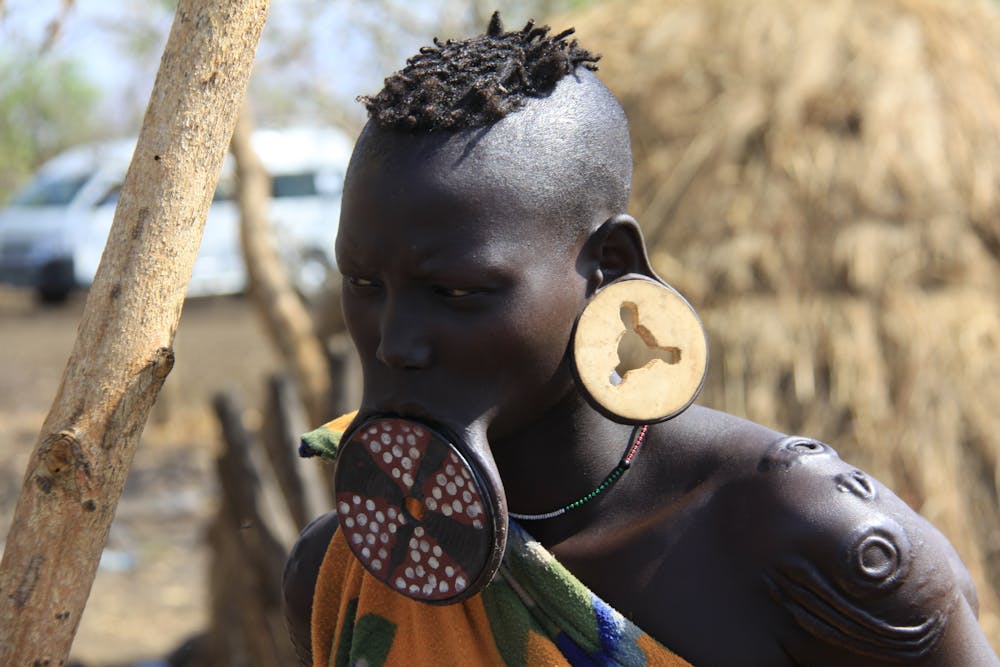
Scarification and branding are less common but deeply meaningful forms of body art. These methods involve intentionally marking the skin to create raised scars or patterns. Historically, they have been used in certain cultures as rites of passage, symbols of identity, or expressions of beauty.
Due to their invasive nature, these practices require a high level of expertise and carry greater risks compared to other forms of body art. They are typically chosen by individuals seeking a more profound and permanent form of expression that goes beyond conventional aesthetics.
Which Type of Body Art Is Right for You?
Choosing the right type of body art depends on your personal preferences, lifestyle, and comfort level. With so many options available, it’s important to consider factors such as permanence, pain tolerance, cost, and aftercare requirements. Taking the time to evaluate these elements can help you avoid regret and ensure a positive experience.
Start by asking yourself what you want your body art to represent. Are you looking for something symbolic, decorative, or experimental? Understanding your motivation can guide your decision and help you select a style that aligns with your identity.
Key Factors to Consider
- Permanence (temporary vs permanent)
- Pain level and healing time
- Budget and maintenance
- Cultural or personal meaning
Final Thoughts: Embracing Body Art as Self-Expression
Body art is more than just decoration—it is a reflection of individuality, culture, and creativity. From tattoos and piercings to temporary designs and rare practices, each type offers a unique way to tell your story. As trends continue to evolve, body art remains a timeless medium for personal expression.
Before making a decision, take the time to research and understand your options. Consult professionals, explore designs, and consider the long-term impact of your choice. With the right approach, body art can become a meaningful and empowering addition to your identity.
