
Fashion today extends far beyond seasonal trends and runway inspiration. It has become a personal language that reflects values, habits, and priorities. What people wear increasingly mirrors how they live—how they manage stress, care for their bodies, and structure their daily routines. This shift has blurred the lines between style, comfort, and intention, creating a landscape where clothing choices convey personality, wellness focus, and even ethical considerations.
As lifestyles evolve, so does the meaning of fashion. Clothing is no longer just about appearance; it’s about how it supports movement, confidence, and well-being. From fabric choices to accessories and grooming habits, fashion has become part of a broader lifestyle framework that emphasizes balance, sustainability, and self-awareness. Modern consumers are looking for versatility in their wardrobes, seeking pieces that transition smoothly from work to leisure while supporting mindful living. Ultimately, fashion has transformed into a reflection of holistic living, where every outfit aligns with personal health, ethical values, and the intentional pursuit of comfort and self-expression.
Designing a Style Routine That Supports Daily Reset
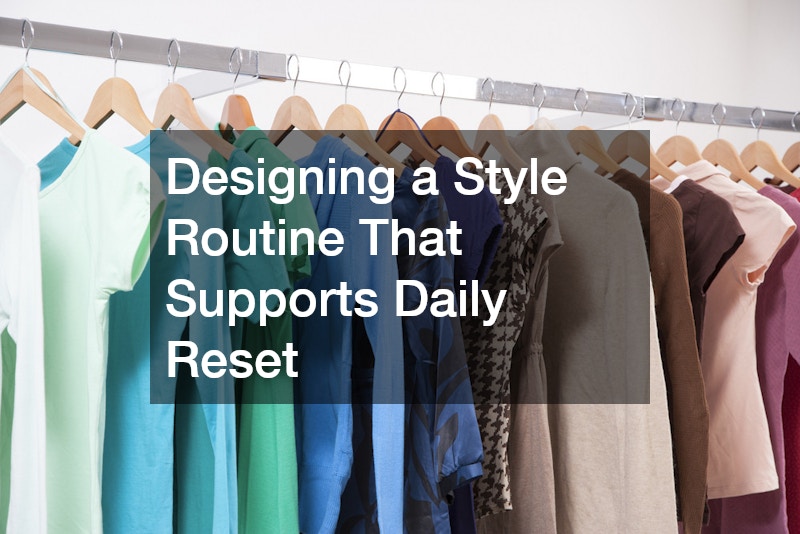
Modern wardrobes increasingly reflect the desire for restoration and balance rather than excess. Just as people build rituals to unwind and recharge, fashion routines can be structured to support emotional and physical comfort. Clothing choices that prioritize softness, breathability, and ease can significantly influence how the body feels throughout the day.
Drawing inspiration from wellness spas, many individuals now choose garments that encourage relaxation without sacrificing style. Neutral tones, flowing silhouettes, and layered textures help reduce decision fatigue while maintaining a polished look. This approach allows fashion to function as a calming presence rather than a source of stress.
A daily style reset can also involve intentional transitions. Changing clothes after work, for example, signals a shift from productivity to rest. Selecting specific outfits for different parts of the day reinforces healthy boundaries between responsibilities and personal time.
Practical ways to design a supportive style routine include:
- Creating a capsule wardrobe with versatile, comfortable pieces
- Choosing natural or performance fabrics that adapt to temperature changes
- Keeping a few “reset outfits” reserved for evenings or weekends
By aligning fashion choices with restorative habits, clothing becomes an active participant in well-being rather than a passive aesthetic choice.
Building a Consistent Beauty and Grooming Identity
A cohesive personal style extends beyond clothing into grooming and presentation. When skincare, hair care, and wardrobe choices align, they create a sense of consistency that feels intentional rather than forced. This cohesion helps individuals feel put together even on low-effort days.
Many people now approach grooming with the same discernment they apply to fashion brands, often guided by a trusted personal care company that reflects their values. Packaging design, ingredient transparency, and brand philosophy all influence how products integrate into daily routines and visual identity.
Consistency in grooming also supports confidence. When people know what works for their skin, hair, and overall appearance, they spend less time second-guessing choices. This confidence naturally translates into stronger fashion decisions, as outfits are styled to complement rather than compensate.
Helpful strategies include:
- Establishing a minimal but reliable grooming routine
- Choosing colors and textures that complement wardrobe tones
- Aligning grooming choices with lifestyle needs, not trends
When beauty and fashion work together, personal style becomes effortless, repeatable, and adaptable to different environments.
Dressing With Intention to Support Whole-Body Balance
Intentional dressing starts with awareness—understanding how clothing affects posture, mood, and movement. Tight, restrictive garments may look sharp but can create discomfort over time, while overly casual choices may undermine confidence. Balance lies in selecting pieces that support both function and self-expression.
This philosophy mirrors the principles of a holistic health service, where mind and body are viewed as interconnected. Clothing that allows freedom of movement, proper circulation, and comfort supports physical health while also influencing mental clarity.
Color psychology also plays a role. Soft blues, earthy neutrals, and warm tones can promote calm, while structured silhouettes can reinforce focus and confidence. Dressing intentionally means choosing garments that serve the demands of the day rather than reacting impulsively.
Actionable tips for whole-body balance include:
- Prioritizing fit over size labels
- Choosing stretch-friendly materials for long wear
- Dressing for the activities you’ll actually do, not idealized plans
When clothing supports physical comfort and mental focus, it becomes a tool for balance rather than a distraction.
The Hidden Role of Daily Systems in Fashion Longevity
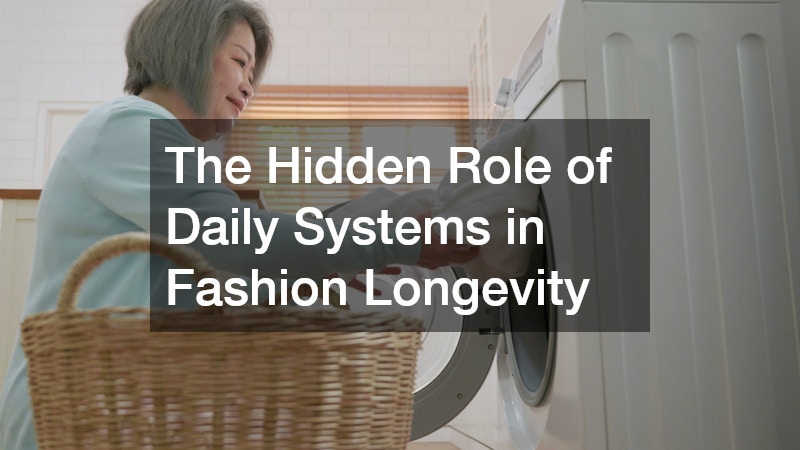
Many people overlook how everyday household systems affect clothing’s lifespan. Water quality, for example, plays a significant role in how fabrics age, fade, and retain softness. Hard water minerals can weaken fibers over time and dull colors prematurely.
Using a water filter can improve garment care by reducing mineral buildup during washing. Cleaner water helps detergents work more effectively and prevents residue from settling into fabrics. Over time, this can extend the life of frequently worn items and preserve their original texture.
Fashion longevity is also tied to sustainability. Maintaining clothing properly reduces the need for frequent replacements, saving money and minimizing waste. This aligns with the broader movement toward mindful consumption in both fashion and lifestyle.
Best practices for preserving clothing include:
- Washing garments in cold or filtered water
- Air-drying delicate fabrics when possible
- Rotating outfits to prevent overuse
These small system-level adjustments quietly support a more durable and intentional wardrobe.
Incorporating Resort-Inspired Elements Into Everyday Wear
Resort-inspired fashion has moved beyond vacation wardrobes into daily style. Relaxed tailoring, breathable fabrics, and understated luxury are now staples for people who value comfort without sacrificing sophistication.
Design cues often associated with sundance spas—such as natural textures, muted color palettes, and effortless layering—translate seamlessly into everyday outfits. Linen trousers, soft knits, and relaxed blazers offer polish while maintaining ease of movement.
This style approach encourages versatility. Pieces designed for comfort can transition from work to leisure with minimal adjustment, supporting busy lifestyles that demand flexibility.
Ways to incorporate resort-inspired elements include:
- Choosing neutral, mix-and-match basics
- Prioritizing lightweight fabrics for layering
- Styling relaxed pieces with structured accessories
By borrowing from resort aesthetics, everyday fashion becomes calmer, more adaptable, and less trend-dependent.
Balancing Aesthetic Enhancements With Personal Style
Aesthetic enhancements often influence how people perceive themselves, which naturally affects fashion choices. When changes are subtle and intentional, they can enhance confidence without overshadowing personal identity.
Those considering or maintaining a lip injections treatment often adjust makeup, color palettes, and accessories to reflect a refreshed look. Fashion choices may become more refined as confidence grows, favoring silhouettes that feel expressive rather than compensatory.
The key is balance. Enhancements should complement existing style rather than redefine it entirely. Clothing remains a form of self-expression, not a response to external expectations.
Practical considerations include:
- Updating makeup tones to align with facial changes
- Choosing necklines and fabrics that draw balanced attention
- Avoiding trend overcorrection after aesthetic changes
When fashion evolves alongside appearance, the result feels cohesive rather than performative. Aesthetic enhancements, when thoughtfully integrated, can serve as a catalyst for exploring new textures, patterns, and styles that might have previously felt intimidating. Those undergoing a lip injections treatment may also experiment with complementary accessories, scarves, or statement jewelry to highlight facial features harmoniously. The goal is to let personal style lead the conversation, using enhancements as subtle accents rather than focal points. Over time, this approach encourages a wardrobe that feels intentional, confident, and reflective of both inner identity and outward appearance, fostering a sense of empowerment in everyday fashion decisions.
How a Confident Smile Shapes Fashion Choices
Facial confidence has a noticeable impact on posture, expression, and overall presence. A comfortable smile often encourages bolder fashion decisions and more expressive styling choices.
Investments in cosmetic dentistry can influence how people accessorize, particularly around the face and neckline. Scarves, statement earrings, and open collars become more appealing when individuals feel confident about their smile.
This confidence can also affect color selection. Brighter hues and high-contrast combinations often feel more wearable when facial features feel balanced and healthy.
Styling strategies include:
- Choosing colors that enhance facial warmth
- Wearing accessories that frame rather than distract
- Letting facial confidence guide outfit boldness
Fashion becomes a reflection of self-assurance rather than an attempt to hide perceived flaws. When individuals feel confident in their smiles, they are more willing to experiment with textures, patterns, and statement pieces, allowing their wardrobe to reflect personality more fully. Regular attention to oral health, including visits to cosmetic dentistry professionals, supports not only facial aesthetics but also overall presence, posture, and engagement with others. This holistic approach transforms fashion into a tool for expressing authenticity and embracing individuality with confidence in every outfit choice.
Using Accessories to Express Identity and Values
Accessories often carry emotional and symbolic weight. Jewelry, in particular, can represent milestones, values, or personal stories while elevating everyday outfits.
Working with trusted jewelry services allows individuals to curate pieces that align with both lifestyle and aesthetics. Custom or thoughtfully selected jewelry integrates seamlessly into daily wear rather than feeling reserved for special occasions.
Accessories also provide flexibility. A simple outfit can be transformed with the right combination of rings, necklaces, or watches, allowing style expression without constant wardrobe changes.
Tips for intentional accessorizing include:
- Selecting versatile pieces for frequent wear
- Mixing metals and textures thoughtfully
- Prioritizing comfort and durability
When accessories align with personal values, fashion becomes more meaningful and expressive. Thoughtful selection encourages mindfulness in daily dressing, allowing individuals to showcase personality, heritage, or milestones subtly yet powerfully. By investing in quality, versatile, and ethically sourced pieces, people can create a collection that not only complements their wardrobe but also reflects their principles, lifestyle choices, and evolving tastes over time.
Adapting Fashion to Body Changes Over Time
Bodies naturally change due to age, routine, and lifestyle adjustments. Fashion that adapts gracefully to these changes supports confidence and comfort rather than frustration.
People working with a weight loss clinic often find that their relationship with clothing evolves alongside physical changes. Rather than chasing sizes, many focus on fit, tailoring, and flexibility in their wardrobe.
This period presents an opportunity to refine personal style. Understanding what silhouettes and fabrics feel best encourages smarter purchases and reduces reliance on trends.
Helpful approaches include:
- Investing in tailoring for transitional pieces
- Choosing adjustable or forgiving silhouettes
- Reassessing wardrobe staples regularly
Fashion becomes a supportive tool rather than a measuring stick for progress. Embracing adaptable clothing allows individuals to celebrate their bodies at every stage, fostering a positive self-image and reducing stress around appearance. By prioritizing pieces that accommodate growth, changes, and daily activity, people can create a wardrobe that evolves alongside them, combining practicality, style, and confidence in every choice.
Styling for Comfort, Mobility, and Confidence
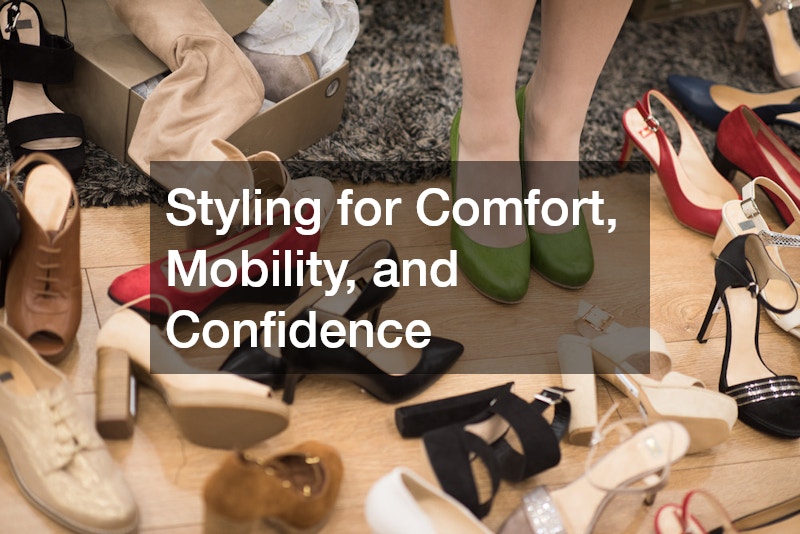
Comfort and mobility are no longer secondary considerations in fashion. Clothing that restricts movement or causes discomfort undermines confidence, regardless of appearance.
Those managing circulation or recovery concerns, including individuals exploring varicose vein treatment, often prioritize supportive footwear, breathable fabrics, and thoughtful layering. These choices can still look refined when styled intentionally.
Modern fashion increasingly embraces inclusive design, recognizing that comfort enhances presence and self-assurance rather than diminishing style.
Practical styling tips include:
- Choosing shoes with proper support and cushioning
- Wearing compression-friendly yet stylish options
- Favoring fabrics that move with the body
When clothing supports mobility, confidence follows naturally. Thoughtful fashion choices not only enhance physical ease but also positively impact mental well-being, creating a sense of freedom and poise throughout the day. By prioritizing garments that accommodate movement and comfort, individuals can fully engage in their routines, express themselves authentically, and feel empowered in every setting.
Modern fashion has evolved into a reflection of lifestyle choices, personal values, and long-term well-being. What people wear today speaks not only to aesthetics but to how they care for themselves, structure their routines, and express identity. Every choice, from the fabrics they select to the accessories they incorporate, communicates a commitment to balance, self-awareness, and mindful living. Fashion has become a tool for cultivating comfort and confidence, allowing individuals to navigate both professional and personal spaces with ease.
By aligning fashion with intentional living, individuals create wardrobes that support confidence, comfort, and authenticity. This approach transforms clothing from a surface-level statement into a meaningful extension of daily life. Beyond appearance, it encourages reflection on personal habits, values, and wellness priorities. When style and lifestyle converge, fashion becomes empowering—an outward expression of inner clarity, health-conscious choices, and the thoughtful way a person moves through the world. Ultimately, mindful fashion helps individuals feel grounded, intentional, and fully aligned with the life they wish to lead.
